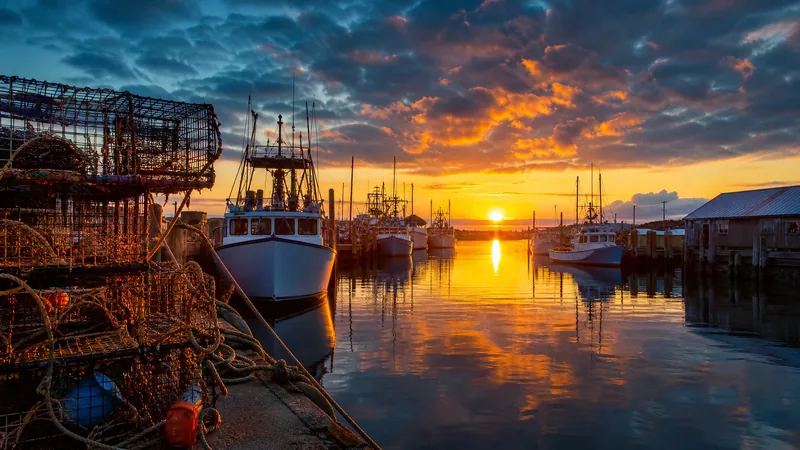
How to Start a Commercial Crabbing or Fishing Business in Delaware: Crab Pot Licenses From $28.75 to $115 and the 500-Pot Vessel Cap
How to Start a Commercial Crabbing or Fishing Business in Delaware: Crab Pot Licenses From $28.75 to $115 and the 500-Pot Vessel Cap
Delaware's coastal waters and tributaries support a working commercial crabbing industry. Starting a commercial crabbing business in Delaware requires a resident crab pot license from the Department of Natural Resources and Environmental Control (DNREC), compliance with specific seasonal restrictions and vessel limits, and a state business license. The process is straightforward if you follow the steps in the right order and understand the regulatory caps that govern pot numbers and operator designees.
Before You Start: Know the Core Requirements
Commercial crabbing in Delaware is regulated under 7 Delaware Code Chapter 23. Here are the baseline requirements:
- Residency. Resident crab pot licenses are significantly cheaper than nonresident licenses. Check with DNREC Fisheries for how it defines a resident. Nonresident licenses cost 10 times as much ($287.50 to $1,150 depending on pot count), making residency a material cost advantage.
- Pot capacity and vessel cap. You can hold a single resident crab pot license for anywhere from 1 to 200 pots. However, no more than 500 pots total can fish from any one vessel, and no more than three licensees can list the same vessel. This structure prevents a single vessel from becoming overloaded with gear.
- Vessel requirement. You must have a registered vessel listed on your license. Multiple licensees can share one vessel as long as the 500-pot total is not exceeded.
- Season windows. Commercial crab pots cannot be fished from December 1 through the end of February. Dredging (if you hold a dredger license instead) is limited to December 16 through March 30.
- Color coding. Your assigned buoys and vessel must carry your licensee color code for identification on the water.
Step 1: Verify Your Residency and Gather Required Documentation
Before applying for a license, confirm with DNREC Fisheries that you qualify as a Delaware resident, since resident licenses are cheaper and resident licensees can only name resident designees. Gather:
- A government-issued photo ID (driver's license or passport)
- Proof of Delaware residency (ask DNREC which documents it accepts)
- Your vessel's registration number and name (if you already own or have access to a vessel)
- Names of any designees who will operate under your license
The license is valid only for taking crabs from one vessel owned and operated by you or your approved designees, so confirm vessel requirements with DNREC Fisheries before you apply.
Step 2: Decide Your Pot Count and License Tier
Delaware resident crab pot licenses are priced by pot capacity:
- Up to 50 pots: $28.75
- Up to 100 pots: $57.50
- Up to 150 pots: $86.25
- Up to 200 pots: $115
These fees are annual and must be renewed each year. Licenses expire December 31. Choose the tier that matches your planned operation. You can fish up to the number of pots your license authorizes, but remember the 500-pot-per-vessel hard cap. If you plan to use multiple vessels or partner with other licensees, map this out beforehand to stay within the 500-pot and three-licensee limits.
Step 3: Apply for Your DNREC Commercial Crab Pot License
Contact DNREC Fisheries Section to request a commercial crab pot license application. You can reach DNREC online or by phone; confirm the current application method and deadline with their office, as procedures may vary seasonally.
Submit your completed application with:
- Proof of residency and identity
- Your vessel information
- Names of any designees (see below)
- Payment for your license fee (payable by check or online, depending on DNREC's current system)
DNREC will assign you a color code for your buoys and vessel once your license is approved. This color code identifies you on the water and is required by regulation.
Step 4: Understand the Designee System
A resident crab pot license allows you to name up to two designees who can work from your listed vessel. Designees must themselves be Delaware residents. Designees are workers who may place, use, set or tend your pots while operating your listed vessel, and designees are not allowed on a trotline license. If you plan to fish alone, you do not need to name designees. If you want one or two helpers, name them on your license.
Designees do not reduce your pot limit or vessel cap; they simply allow additional crew to work the gear in your license's name.
Step 5: Obtain a Delaware Business License
Delaware generally requires a business license from the Division of Revenue, even for a sole proprietor; confirm with the Division how it treats crab harvesting. Apply through the Delaware One Stop portal at onestop.delaware.gov.
The annual business license fee is typically $75 for most categories, though confirm the current rate and category with the Division of Revenue when you apply. The license covers the calendar year and expires December 31.
Important tax note: Delaware has no sales tax. Instead, DNREC-licensed crab harvesters who sell their catch are exempt from the wholesaler gross receipts license under Delaware Code Section 30-2909(g). If you sell crabs at retail (directly to consumers, restaurants, or stores), verify the licensing and gross receipts rules for retail sales with the Division of Revenue; the exemption applies to wholesale harvest, not all sales channels.
Step 6: Register a Trade Name (DBA) if Needed
If you plan to operate under a name other than your legal name (for example, "Chesapeake Crab Co."), register a trade name (DBA) with the Division of Revenue through Delaware One Stop. The registration fee is $25 and is a one-time payment; it does not expire or require renewal. Your active business license must be in place first.
Step 7: Form a Business Entity (LLC or Corporation) if Desired
You can operate as a sole proprietor without forming an LLC or corporation. However, if you want liability protection or tax advantages, you may form a Delaware LLC or corporation through the Division of Corporations.
- Delaware LLC: Filing fee is $110. An LLC owes a flat annual tax of $400, due June 1 each year (effective for tax year 2026 onward; confirm the current amount at corp.delaware.gov). No annual report is required.
- Delaware Corporation: Filing fee is $109. A corporation must file an annual report ($50) and pay franchise tax (minimum $175 under the authorized shares method) by March 1 each year.
Forming an entity is optional and separate from your DNREC crab license and Division of Revenue business license. If you form an entity and it has a registered address in Delaware, it may serve as its own registered agent; otherwise, you must maintain a registered agent with a physical Delaware street address.
Consult a Delaware business attorney or accountant to determine whether an LLC or corporation is right for your situation.
Step 8: Comply with Seasonal Restrictions and Vessel Requirements
Your license is now active. Before you fish:
- Mark your pots and vessel. All buoys and your vessel must display your assigned DNREC color code. This is the law and helps fisheries officers track your gear.
- Respect the closed season. Do not fish your pots between December 1 and the end of February. This closure allows crab populations to rebuild during winter months.
- Stay under the 500-pot vessel limit. If you share a vessel with other licensees, ensure the combined pot count does not exceed 500. DNREC inspects vessels and will cite you if you exceed this cap.
- Keep your license and vessel registration on board. Carry proof of your license and vessel registration while operating; a fisheries officer may ask to see them.
Understanding the Apprentice Option
If you want to employ a young worker (at least 15 years old) as a commercial fishing apprentice, you must have a written agreement filed with DNREC. Confirm current apprenticeship rules with DNREC Fisheries.
Other Commercial Fishing Licenses: Trotlines and Dredges
Delaware also issues trotline and crab dredger licenses. Important rules:
- You cannot hold both a pot license and a trotline license at the same time. You must choose one method.
- Trotline licenses for residents cost $57.50; nonresident trotline licenses cost $575.
- Crab dredger licenses cost $57.50 for residents and $575 for nonresidents. Dredging is limited to December 16 through March 30, the opposite season from pots.
For other species of commercial fish or shellfish, reporting requirements and fees vary. Check with DNREC Fisheries for eel, food fish, and other licenses.
Tips for Success
- Start small and test your market. A $28.75 license for up to 50 pots lets you learn the trade without a large capital outlay. You can upgrade to a higher tier next year if demand supports it.
- Invest in good buoys and markers. Losing gear to storms or unmarked pots being cut loose is expensive. Buy quality buoys in your assigned color and keep them maintained.
- Know your waters. Different creeks, bays, and tributaries in Delaware have different crab populations and salinity levels. Scout your proposed fishing grounds before you place pots.
- Track your catch daily. Keep records of how many crabs you harvest and when. This helps you identify productive areas and prepare forecasts if you eventually sell wholesale.
- Build relationships with local crab buyers. If you plan to sell your harvest commercially, identify restaurants, seafood markets, or crab processors in Delaware and nearby areas before you start fishing. They will want consistent supply and quality.
- Renew your license on time. Licenses expire December 31. Reapply before the deadline so you can fish January 1 without a lapse.
Common Mistakes to Avoid
- Fishing without a valid license. Operating commercial crab pots without a current DNREC license is illegal and carries significant fines. Do not start fishing until your license is in hand.
- Exceeding the 500-pot vessel limit. If you partner with multiple licensees or operate multiple vessels, carefully track total pots per vessel. DNREC enforces this cap strictly.
- Fishing outside the allowed season. Pots in the water December 1 through February 28 (or 29) are unlawful. Respect the closure.
- Unmarked or wrongly marked buoys. If your buoys do not display your assigned color code, a fisheries officer may remove your pots. Keep your color code visible at all times.
- Hiring unregistered designees. Designees on a resident license must be Delaware residents and named on your license. Do not work with crew who are not on your agreement.
- Skipping the business license. The Delaware business license is separate from the DNREC crab license. Confirm with the Division of Revenue what applies to you, and do not assume the crab license covers this obligation.
- Mixing fishing methods. If you want to trotline, you cannot hold a pot license. Decide which method suits your operation and apply for only one.
Expected Results
How many crabs will you catch? This depends on water conditions, season, location, pot placement, and bait quality. Your first year will be a learning curve; expect modest harvests as you identify the best fishing spots and refine your technique.
Revenue depends on crab prices (which fluctuate seasonally and year to year) and your sales channel. Set realistic first-year expectations and reinvest profits into better gear and marketing.
Municipal Requirements
Some Delaware municipalities have local ordinances that affect crabbing operations, such as dock-use fees, water-access permits, or gear-storage rules. Check with your city or town (Delaware has three counties and 57 incorporated places) to confirm any local permits or restrictions before you place your first pot.
Disclaimer
This article is informational and does not constitute legal, tax, or business advice. Delaware's commercial crabbing regulations are detailed and subject to change. Before you invest in equipment or labor, consult the official Delaware DNREC website and contact DNREC Fisheries directly to confirm all current fees, seasons, designee rules, and reporting requirements. If you form a business entity or expect significant annual income, consult a Delaware business attorney or certified public accountant (CPA) for guidance on entity structure, tax obligations, and record-keeping. The Division of Revenue and DNREC are your authoritative sources for compliance.